What to Expect After Rezum Therapy: A Complete Recovery and Results Guide
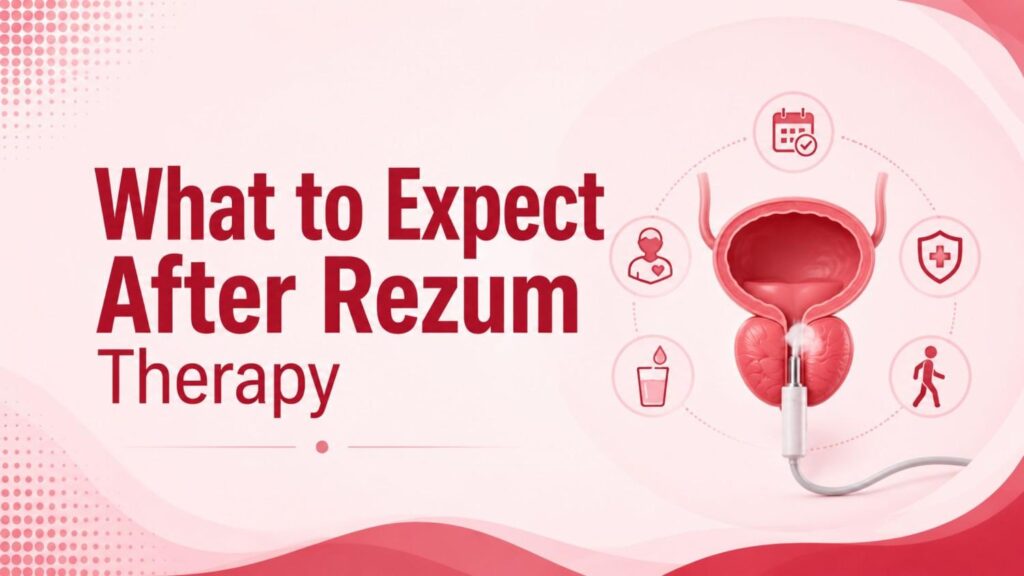
If you’re considering Rezum therapy for Benign Prostatic Hyperplasia (BPH), it’s natural to wonder What to Expect After Rezum Therapy. Knowing what happens after the procedure can help you prepare for recovery, understand temporary changes, and recognize when improvements are likely to occur. Although Rezum therapy is minimally invasive, healing is a gradual process that continues over several weeks as your body responds to treatment.
Understanding What to Expect After Rezum Therapy can also reduce unnecessary anxiety during recovery. While some urinary symptoms may temporarily worsen because of swelling, this is often a normal part of the healing process. Most patients experience progressive improvement as the treated prostate tissue is naturally absorbed by the body.
Understanding Rezum Therapy
Rezum therapy is a minimally invasive treatment designed to relieve urinary symptoms caused by Benign Prostatic Hyperplasia (BPH). Instead of removing prostate tissue through surgery, the procedure uses controlled water vapor (steam) to target enlarged prostate tissue.
The heat from the water vapor destroys excess prostate cells while preserving surrounding healthy structures. Over the next several weeks, the body gradually absorbs the treated tissue, reducing pressure on the urethra and improving urine flow.
Because this healing process happens naturally, What to Expect After Rezum Therapy involves gradual improvement rather than immediate results. Before learning what to expect after Rezum therapy, it can be helpful to understand how the procedure works, who is a suitable candidate, and its benefits. Explore our comprehensive guide on Rezum Treatment in Kerala for detailed information.
Why Recovery Is Different for Every Patient
Every patient’s recovery experience is unique.
Several factors influence healing, including:
- Age
- Prostate size
- Severity of urinary symptoms
- Overall health
- Existing medical conditions
- Lifestyle habits
- How closely recovery instructions are followed
Although recovery timelines vary, understanding What to Expect After Rezum Therapy helps patients approach the process with realistic expectations.
Immediately After the Procedure
Most patients return home on the same day because Rezum is performed as an outpatient procedure.
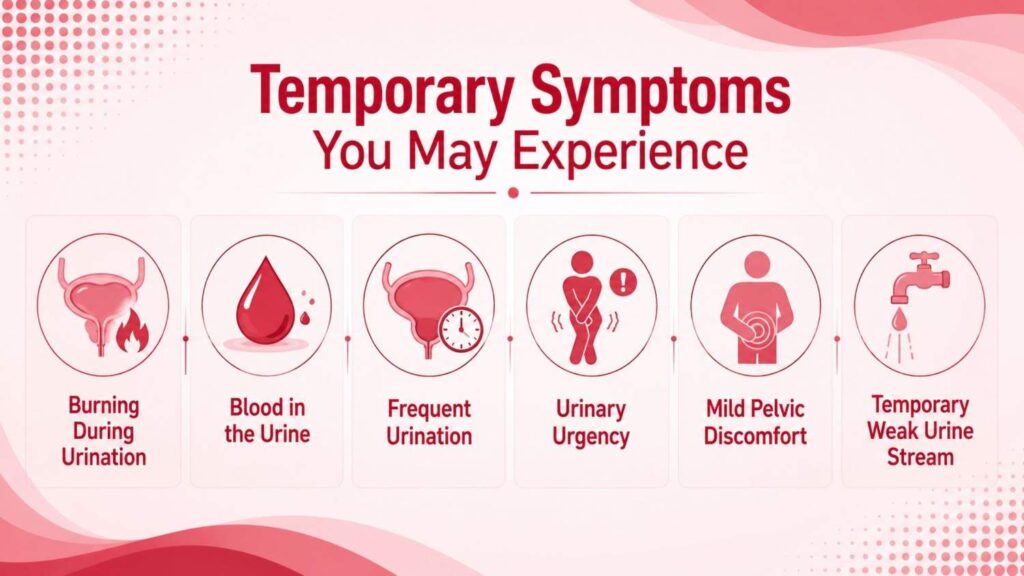
Immediately afterward, you may notice:
- Mild burning while urinating
- Increased urinary urgency
- Small amounts of blood in the urine
- Mild pelvic discomfort
- Slight urinary frequency
These symptoms are usually temporary and improve gradually.
Some patients also leave with a temporary urinary catheter to help drain the bladder while swelling decreases.
The First Few Days After Rezum Therapy
The first few days are focused on rest and allowing the body to begin healing.
Patients are commonly advised to:
- Drink plenty of water
- Take prescribed medications
- Avoid heavy lifting
- Rest adequately
- Avoid strenuous physical activity
During this stage, urinary symptoms may actually feel slightly worse because the prostate temporarily swells after treatment.
Understanding What to Expect After Rezum Therapy during this period helps patients avoid unnecessary concern.
Week-by-Week Recovery Timeline
Week One
The first week often includes:
- Burning during urination
- Mild blood in urine
- Increased urinary frequency
- Urinary urgency
- Mild discomfort
These symptoms are usually expected.
Weeks Two to Four
As swelling begins to decrease:
- Urinary flow gradually improves.
- Bladder emptying becomes easier.
- Urinary urgency slowly decreases.
- Nighttime urination may begin improving.
Patients often start noticing positive changes during this phase.
One to Three Months
Most patients experience noticeable improvement during this period.
Benefits often include:
- Stronger urine stream
- Better bladder emptying
- Less urgency
- Fewer nighttime bathroom visits
- Improved quality of life
The body continues absorbing treated tissue throughout this stage.
Three to Six Months
Recovery continues even after symptoms improve.
Long-term improvements often become fully established by this point.
Living With a Temporary Catheter
Some patients require a urinary catheter for several days following the procedure.
If a catheter is used:
- Keep the drainage bag below bladder level.
- Maintain proper hygiene.
- Drink plenty of fluids.
- Avoid pulling the tubing.
- Follow cleaning instructions carefully.
The catheter is usually removed once swelling has improved sufficiently.
Returning to Everyday Activities
Most patients gradually resume normal routines.
However, it is generally recommended to temporarily avoid:
- Heavy lifting
- Intense exercise
- Cycling
- Motorbike riding
- Strenuous physical work
Gentle walking is usually encouraged because it promotes circulation without excessive strain.
When Can You Return to Work?
The timing depends on your occupation.
People with desk jobs often return within several days.
Individuals whose work involves heavy physical labor may require additional recovery time.
Your healthcare provider will recommend an appropriate schedule.
Eating and Drinking After Rezum Therapy
Proper nutrition supports healing.
Helpful recommendations include:
- Drink plenty of water.
- Eat high-fiber foods.
- Include fruits and vegetables.
- Avoid constipation.
- Limit excessive caffeine if it worsens urinary symptoms.
- Reduce alcohol intake during early recovery if advised.
Healthy eating supports overall recovery and comfort.
Managing Expectations During Recovery
Many patients expect immediate improvement.
However, understanding What to Expect After Rezum Therapy means recognizing that healing takes time.
Some patients notice improvement within several weeks.
Others continue improving for several months.
Patience is an important part of successful recovery.
Follow-Up Appointments
Regular follow-up visits allow healthcare providers to:
- Monitor healing
- Evaluate urinary function
- Remove the catheter if necessary
- Address concerns
- Assess treatment success
Attending scheduled appointments helps ensure recovery progresses normally.
Signs That Recovery Is Going Well
Positive signs include:
- Improved urine stream
- Easier bladder emptying
- Reduced urgency
- Less nighttime urination
- Improved bladder control
- Reduced discomfort
These improvements typically occur gradually.
When Should You Seek Medical Advice?
Although complications are uncommon, seek medical attention if you experience:
- High fever
- Severe pain
- Heavy bleeding
- Inability to urinate
- Large blood clots
- Signs of infection
- Worsening symptoms instead of improvement
Prompt evaluation helps prevent complications.
Long-Term Expectations After Rezum Therapy
Many patients enjoy long-lasting improvements in urinary symptoms.
Long-term benefits may include:
- Better urine flow
- Reduced urinary frequency
- Improved sleep
- Better bladder emptying
- Increased comfort
- Improved quality of life
While results vary, many individuals continue experiencing symptom relief for years after treatment.
Benefits of Knowing What to Expect After Rezum Therapy
Understanding the recovery process provides several advantages.
Patients who know What to Expect After Rezum Therapy are more likely to:
- Feel confident during recovery
- Recognize normal healing
- Follow recovery instructions carefully
- Attend follow-up appointments
- Maintain realistic expectations
- Experience less anxiety during healing
Being informed contributes to a smoother overall experience.
Conclusion
Understanding What to Expect After Rezum Therapy allows patients to approach recovery with realistic expectations and greater confidence. Although temporary urinary symptoms such as burning, urgency, and mild discomfort are common during the early healing phase, these usually improve as the prostate heals and the body gradually absorbs the treated tissue.
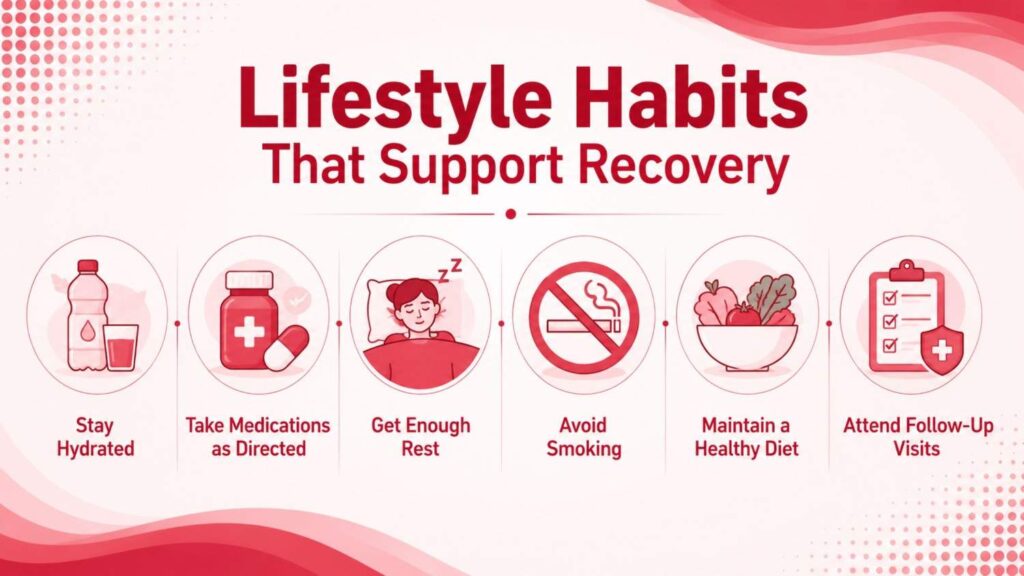
By following post-procedure instructions, staying hydrated, attending follow-up appointments, and maintaining healthy lifestyle habits, patients can support a smoother recovery and maximize the long-term benefits of Rezum therapy. Knowing What to Expect After Rezum Therapy helps reduce uncertainty, encourages patience throughout the healing process, and prepares patients for lasting improvements in urinary function and overall quality of life. To learn more about Benign Prostatic Hyperplasia (BPH), its symptoms, treatment options, and long-term management, visit the Mayo Clinic – Benign Prostatic Hyperplasia (BPH).
Frequently Asked Questions
Most patients can resume driving once they are no longer taking sedative medications and feel comfortable sitting and moving without significant discomfort. Always follow your healthcare provider's advice.
Yes. Climbing stairs is generally safe when done slowly and carefully. Avoid excessive physical exertion until your healthcare provider advises otherwise.
Yes. Urine flow may fluctuate while swelling decreases and the body continues healing. Consistent improvement usually becomes more noticeable over several weeks.
Some patients may benefit from limiting coffee and other caffeinated drinks during early recovery, as caffeine can temporarily increase urinary urgency or bladder irritation.
Your healthcare provider may recommend follow-up evaluations, including symptom assessments or urine tests, to monitor your recovery and treatment progress.
Some patients may continue certain medications for a short period after treatment. Your healthcare provider will advise you if and when changes are appropriate.
Yes. Gentle activities such as walking may support healthy circulation during recovery. More demanding exercise should only be resumed after medical approval.
Yes. Staying well hydrated helps maintain urinary health and may reduce irritation caused by concentrated urine during the healing period.
No. Follow-up appointments are individualized based on your symptoms, overall health, and recovery progress to ensure appropriate care.
Getting enough rest, drinking plenty of water, eating nutritious meals, taking medications as directed, and avoiding strenuous activities can help make recovery more comfortable.
JR Nathan Urology Center – Our Urology Specialists