
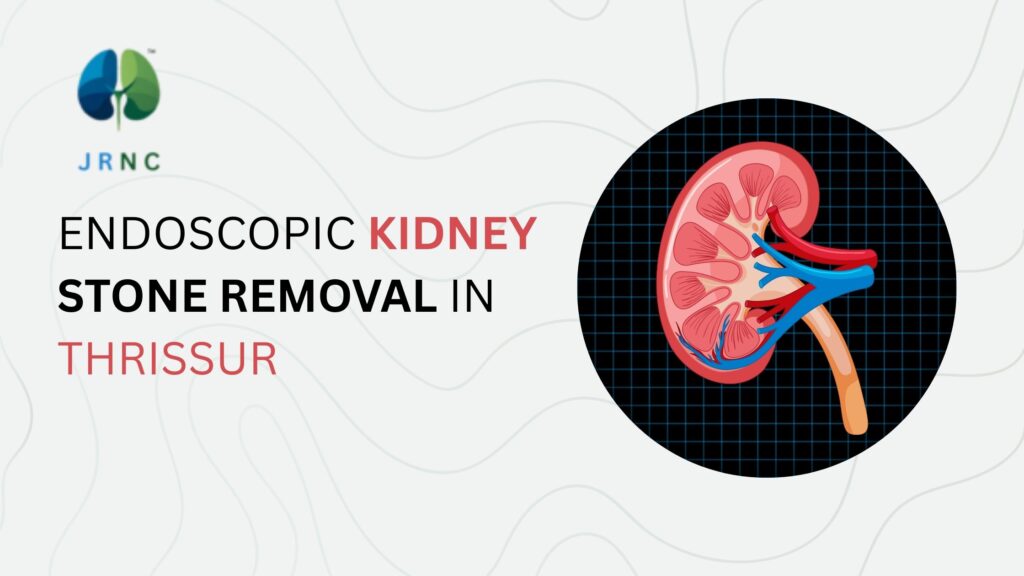
Kidney stones are a common yet deeply distressing condition, causing sharp pain, discomfort, and potentially serious complications if not treated properly. For many individuals in Thrissur and other regions of Kerala, suffering from recurring kidney stones or a severe stone episode can significantly disrupt normal life. Thankfully, modern urology has advanced tremendously, and today, endoscopic kidney stone removal has emerged as one of the safest, most reliable, and minimally invasive treatment methods available.
At Specialist Doctors Centre (SDC) in Thrissur, patients can access cutting-edge endoscopic and laser-based stone removal techniques that effectively clear stones while minimizing discomfort and recovery time. This comprehensive and lengthy blog explains everything about the procedure—what it is, why it’s done, how it works, what to expect before and after treatment, and why SDC in Thrissur is a preferred location for advanced kidney stone care.
Understanding Kidney Stones and Why They Require Proper Treatment
Kidney stones are solid mineral deposits that form inside the kidneys when substances such as calcium, oxalate, or uric acid become too concentrated in the urine. These stones can vary in size from small grains to large jagged formations that obstruct the flow of urine. When a stone moves into the ureter, the narrow tube connecting the kidney to the bladder, it can cause severe pain, pressure buildup, blood in urine, nausea, and repeated urinary problems.
Ignoring kidney stones can lead to complications like repeated infections, kidney swelling, or long-term damage to kidney tissue. These risks, along with the intense discomfort stones cause, make timely and effective treatment essential.
What Is Endoscopic Kidney Stone Removal and How It Differs from Traditional Methods
Years ago, treating kidney stones often required open surgery, involving large incisions and lengthy recovery periods. However, with advancements in medical technology, less invasive procedures have replaced open surgery. One of the most successful among these is endoscopic kidney stone removal—a technique that uses slender telescopic instruments to reach the stone internally without making large external cuts.
In this procedure, a thin endoscope (called a ureteroscope) is inserted through the natural urinary passage—starting from the urethra, passing through the bladder, and reaching the ureter or kidney where the stone is located. Once the stone is located, a laser is used to break it into tiny pieces. These fragments are either removed with small instruments or left to pass naturally through urine.
Because the procedure avoids major incisions, it offers significantly reduced pain, faster recovery, and a much lower risk of complications compared to traditional surgical methods.
When Is Endoscopic Kidney Stone Removal Recommended?
Endoscopic removal is recommended for a wide range of situations, especially when:
Stones are too large to pass naturally and are causing severe symptoms
Stones are stuck in the ureter or located in hard-to-reach parts of the kidney
Persistent pain, recurrent infections, or kidney swelling are present
Shockwave lithotripsy (external shockwave treatment) is not suitable due to stone size, hardness, or positioning
A patient has multiple stones or stones that recur frequently
At SDC Thrissur, urologists evaluate each patient’s stone characteristics through imaging tests such as ultrasound or CT scans before recommending the appropriate procedure.
Step-by-Step: How Endoscopic Kidney Stone Removal Works
Here is a detailed overview of what typically happens during the procedure:
1. Preoperative Evaluation
Before surgery, the patient undergoes urine tests, blood tests, and imaging scans to determine stone size, number, and location. These tests also check kidney function and ensure no infection is present.
2. Anesthesia
The procedure is performed under general or spinal anesthesia to keep the patient comfortable and still during the process.
3. Access Through the Natural Urinary Pathway
A thin endoscope is carefully advanced through the urinary tract—from the urethra into the bladder and then into the ureter or kidney. This avoids the need for external cuts.
4. Locating the Stone
The urologist locates the stone using a camera at the tip of the scope, providing a live view on a monitor.
5. Laser Fragmentation
A laser fiber is used to break the stone into small pieces. The laser is highly precise and effective for almost all types of kidney stones.
6. Removal of Fragments
Larger fragments may be removed with tiny baskets or graspers. Smaller ones are left to pass naturally with urine.
7. Placement of a Stent (If Required)
A ureteral stent may be temporarily placed to help urine flow normally and reduce discomfort during healing.
8. Recovery and Observation
Most patients require only a short hospital stay. Because there are no large incisions, recovery is faster, and discomfort is minimal compared to traditional surgery.
For larger stones, a related procedure called Percutaneous Nephrolithotomy (PCNL) may be recommended, which uses a very small incision in the back to directly access the kidney.
Benefits of Endoscopic Kidney Stone Removal
Endoscopic removal offers numerous advantages, making it a preferred treatment option:
Minimally invasive with no large cuts
Faster recovery and shorter hospital stay
High success rate for stones in various locations
Excellent precision with modern laser technology
Lower complication risk compared to open surgery
Effective even for hard or inaccessible stones
Less postoperative pain and minimal blood loss
These benefits make it an ideal solution for patients in Thrissur seeking advanced kidney stone care without major surgical risks.
Possible Risks You Should Know
Although very safe, the procedure carries a few potential risks:
Mild bleeding
Temporary discomfort or burning sensation
Infection (rare when preoperative steps are followed)
Residual stone fragments
Very rare injury to the ureter or kidney
At SDC, such risks are minimized thanks to expert surgical technique, proper evaluation, and use of modern equipment.
Why Choose Specialist Doctors Centre (SDC) in Thrissur?
Patients in Thrissur often choose SDC for kidney stone treatment because the center offers:
1. Advanced Technology
SDC uses the latest scopes, lasers, and minimally invasive tools that allow safe and highly effective stone removal.
2. Experienced Urology Team
The urologists are trained in modern endoscopic and laser procedures, handling both simple and complex stone cases with precision.
3. Full Diagnostic Support
The clinic provides all necessary tests—ultrasound, CT scan guidance, urine analysis—under one roof for faster diagnosis and treatment.
4. Patient-Centered Care
Each treatment plan is personalized, ensuring that patients receive the method best suited to their stone size, location, and medical history.
5. Faster Recovery and Better Outcomes
With the minimally invasive approach, patients recover quickly, experience fewer complications, and enjoy long-term relief.
Aftercare and Long-Term Prevention Tips
Proper aftercare ensures smooth recovery and prevents stone recurrence. Patients should:
Drink plenty of water every day
Follow dietary guidance to reduce stone-forming foods
Attend follow-up consultations and imaging tests
Limit excessive salt, sugar, and high-oxalate foods
Maintain a balanced diet with proper hydration
Follow medications or supplements prescribed after the procedure
Small lifestyle adjustments can significantly reduce the risk of future stone formation.
Conclusion
Endoscopic kidney stone removal is a highly effective, minimally invasive treatment that offers fast relief, excellent outcomes, and a significantly reduced recovery period compared to traditional surgical methods. For patients in Thrissur, Specialist Doctors Centre (SDC) provides the perfect combination of expertise, technology, and compassionate care, ensuring safe and complete removal of kidney stones.
With precise techniques, modern lasers, advanced endoscopic tools, and experienced urologists, SDC has become a trusted destination for individuals seeking reliable and long-lasting solutions for kidney stone problems.
If you or someone you know is dealing with kidney stones, choosing endoscopic removal at SDC can be an important step toward pain-free living and improved urinary health.
FAQ
1. What is endoscopic kidney stone removal?
A minimally invasive procedure that removes stones using a small scope passed through the urinary tract, without large cuts.
2. Is the procedure painful?
No, it is done under anesthesia. Some mild discomfort may occur afterward.
3. How long is the recovery?
Most patients recover within a few days and return to normal activities quickly.
4. Who needs endoscopic stone removal?
People with stones that are too large, stuck, painful, or causing infections.
5. Is it safe?
Yes, it is considered very safe with low complication rates.
6. Why choose SDC in Thrissur?
SDC offers advanced technology, experienced urologists, and quick, safe, effective stone treatment.

