
Rezum Before and After Results
For individuals considering Rezum therapy in Kerala, understanding the typical changes that occur before and after treatment is an important part of informed decision-making. Rezum is a minimally invasive procedure used to manage urinary symptoms caused by benign prostatic hyperplasia (BPH). By using controlled water vapor energy to target excess prostate tissue, Rezum aims to improve urine flow and reduce discomfort associated with prostate enlargement. Comparing the “before” and “after” stages helps clarify what improvements may be expected and how the body gradually responds to treatment.
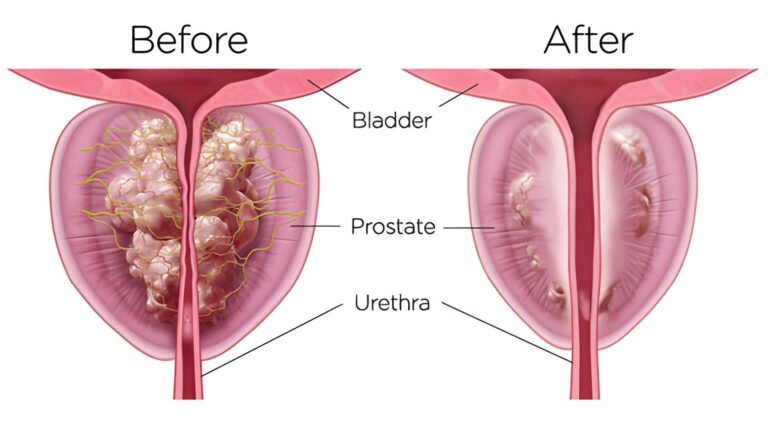
1. Understanding Symptoms Before Rezum Treatment
Before undergoing Rezum therapy, many individuals experience urinary symptoms that affect daily comfort and routine activities. These symptoms develop gradually as the prostate enlarges and begins to obstruct urine flow.
Common symptoms before treatment may include difficulty starting urination, weak or interrupted urine stream, frequent urination during the day, waking up multiple times at night to urinate, urgency with limited warning, and a sensation of incomplete bladder emptying. Over time, these symptoms can disrupt sleep, reduce work productivity, and limit social activities.
The severity of symptoms varies from person to person. Some individuals may experience mild discomfort, while others may face persistent and bothersome urinary difficulties that prompt them to seek treatment.
2. Physical Changes in the Prostate Before Treatment
Before Rezum therapy, the prostate gland is typically enlarged due to non-cancerous tissue growth. This enlargement places pressure on the urethra, which is the tube that carries urine from the bladder out of the body. As pressure increases, urine flow becomes restricted, leading to the symptoms associated with BPH.
The prostate tissue before treatment may also be more sensitive and prone to inflammation. This contributes to urinary irritation and increased urgency. These physical changes explain why medications or lifestyle adjustments alone may not always provide adequate relief for some individuals.
3. What Happens Immediately After Rezum Treatment
After Rezum therapy, the prostate does not shrink instantly. Instead, the water vapor energy delivered during the procedure causes targeted prostate cells to lose viability. The body then gradually absorbs and clears the treated tissue over time.
In the early period after treatment, some individuals may experience temporary urinary changes. These may include mild swelling of the prostate, which can cause short-term worsening of urinary symptoms such as urgency or weak flow. This phase is considered a normal part of the healing process and does not represent the final outcome.
During this stage, rest, hydration, and following post-procedure guidance play an important role in supporting recovery.
4. Early After-Treatment Changes in Urinary Symptoms
Within the first few weeks after Rezum therapy, noticeable improvement may not yet be present. In some cases, symptoms may fluctuate, with good days and less comfortable days occurring alternately.
Early after-treatment changes can include mild burning during urination, increased frequency, temporary difficulty with bladder emptying, or small amounts of blood in urine or semen. These effects usually resolve gradually as inflammation reduces and healing progresses.
It is important to view this early phase as part of the transition period rather than the final result.
5. Gradual Improvement Over Time
The most significant changes after Rezum therapy occur gradually. As the treated prostate tissue is absorbed by the body, pressure on the urethra decreases. This allows urine to flow more freely and reduces bladder irritation.
Many individuals begin to notice symptom improvement within one to three months after treatment. These improvements often continue to develop over several months as the prostate continues to respond to therapy.
Gradual improvement is one of the defining characteristics of Rezum results and sets realistic expectations for the timeline of benefits.
6. Typical After-Treatment Benefits
After Rezum therapy, common improvements reported by individuals include stronger and more consistent urine flow, reduced difficulty starting urination, fewer nighttime bathroom visits, decreased urgency, and improved sensation of bladder emptying.
These changes can significantly improve daily comfort and routine activities. Improved sleep quality is another frequently reported benefit, as reduced nighttime urination allows for more uninterrupted rest.
The extent of improvement depends on factors such as prostate size, severity of symptoms before treatment, and individual healing response.
7. Changes in Quality of Life After Rezum
One of the most meaningful “after” results of Rezum therapy is improvement in quality of life. As urinary symptoms decrease, many individuals experience greater confidence in social situations, improved productivity at work, and reduced anxiety related to sudden urgency or bathroom access.
The ability to participate in travel, outdoor activities, and extended meetings without frequent interruptions can have a positive effect on overall well-being. These lifestyle improvements often become more noticeable as physical symptoms continue to improve.
8. Sexual Function Before and After Treatment
Concerns about sexual function are common when considering prostate treatments. Before Rezum therapy, some individuals may already experience sexual health concerns related to age or prostate-related symptoms.
After Rezum treatment, long-term changes in sexual function are generally uncommon. Temporary effects such as mild discomfort during ejaculation or blood in semen may occur during early recovery but usually resolve on their own.
Because Rezum is designed to minimize disruption to surrounding tissues, it is often considered an option for individuals who want to preserve sexual function while addressing urinary symptoms.
9. Medication Use Before and After Rezum
Before treatment, many individuals rely on medications to manage BPH symptoms. These medications may help control urinary discomfort but often require long-term use and may have side effects.
After Rezum therapy, some individuals are able to reduce or discontinue these medications as symptoms improve. However, this depends on individual response and symptom progression. Medication decisions are typically guided by follow-up assessments and symptom monitoring.
Not everyone will completely stop medication use, but many experience reduced dependence on long-term drug therapy.
10. Long-Term Stability of Results
Rezum therapy is intended to provide lasting symptom relief rather than short-term improvement. Many individuals experience stable benefits for several years following treatment.
Long-term stability depends on individual factors such as prostate growth patterns, overall health, and adherence to follow-up care. While Rezum does not prevent all future prostate changes, it can significantly reduce symptoms for an extended period.
Regular monitoring helps ensure that results remain stable and that any new symptoms are addressed early.
11. Factors That Influence Before and After Results
Several factors influence the difference between “before” and “after” Rezum outcomes. These include the size and shape of the prostate, severity of urinary symptoms before treatment, bladder health, age, general medical condition, and individual healing capacity.
Lifestyle factors such as hydration habits, diet, and physical activity may also play a role in overall comfort and recovery experience.
Understanding that results vary between individuals helps set realistic expectations and supports a balanced view of treatment outcomes.
12. Setting Realistic Expectations
While many individuals experience meaningful improvement after Rezum therapy, it is important to understand that results are not identical for everyone. The goal of treatment is symptom reduction and improved quality of life rather than complete elimination of all urinary symptoms.
Gradual improvement, rather than immediate change, is a key feature of Rezum outcomes. Patience during the healing phase allows the body to complete the natural tissue absorption process and achieve optimal results.
Managing expectations helps reduce frustration and supports a more positive recovery experience.
13. Monitoring Progress After Treatment
Tracking symptom changes over time is an important part of evaluating Rezum results. Follow-up assessments typically focus on urinary flow, frequency of symptoms, nighttime urination patterns, and overall comfort.
Monitoring progress helps confirm that healing is proceeding as expected and provides an opportunity to address any concerns early. Consistent follow-up also supports long-term stability of results.
14. Comparing Overall Before and After Experience
When comparing the overall experience before and after Rezum therapy, many individuals report noticeable improvement in urinary comfort, reduced symptom burden, and better daily functioning.
Before treatment, urinary symptoms may interfere with sleep, work, and social activities. After treatment, these limitations often decrease, allowing individuals to regain control over daily routines and lifestyle choices.
This contrast between pre-treatment discomfort and post-treatment improvement highlights the intended benefits of Rezum therapy.
For individuals undergoing Rezum therapy in Kerala, understanding the typical before and after results helps create realistic expectations and supports informed decision-making. While improvement is gradual, many experience meaningful symptom relief, better quality of life, and long-term stability. With proper follow-up and patience during recovery, Rezum therapy can offer sustained benefits and improved urinary comfort over time.
TABLE OF CONTENT
Rezum is a modern, minimally invasive treatment designed to relieve urinary symptoms caused by an enlarged prostate. Learn more
Rezum is suitable for men with moderate to severe urinary symptoms caused by an enlarged prostate who wish to avoid long-term medication or major surgery. Learn more
The cost of Rezum treatment varies based on individual condition and facility. Learn more
During a Rezum consultation, you can expect a detailed evaluation of your urinary symptoms, prostate health, and a clear explanation of whether Rezum is the right treatment for you. Learn more
Asking the right questions before Rezum treatment helps you understand suitability, recovery expectations, and long-term relief from BPH symptoms. Learn more
Proper preparation before the Rezum procedure helps ensure a smoother treatment experience and recovery. Learn more
Rezum treatment carries certain temporary risks and side effects that patients should understand before choosing this option for BPH management. Learn more
The Rezum procedure follows a step-by-step process that safely targets enlarged prostate tissue to improve urinary symptoms with minimal disruption to daily life. Learn more
Rezum recovery typically involves temporary urinary symptoms such as frequency or mild discomfort that gradually improve over several weeks. Learn more
Results commonly include improved urine flow, reduced urinary symptoms, and better bladder emptying over time. Learn more
Choosing the right doctor involves evaluating experience with Rezum therapy, proper patient selection, clear counseling, and structured follow-up care. Learn more
Frequently Asked Questions
1. How soon can I see Rezum before and after results?
Most individuals notice gradual improvement within one to three months, with continued progress over the following months.
2. Do urinary symptoms improve immediately after Rezum treatment?
No, symptom improvement is gradual, and temporary worsening may occur during the early healing phase.
3. What changes are common after Rezum therapy?
Common changes include improved urine flow, reduced urgency, fewer nighttime bathroom visits, and easier bladder emptying.
4. Can Rezum therapy improve daily quality of life?
Yes, many individuals experience better sleep, improved comfort, and reduced disruption to daily activities.
5. Does Rezum treatment affect sexual function?
Long-term sexual side effects are uncommon, though temporary changes may occur during early recovery.
6. Will I still need medications after Rezum treatment?
Some individuals may reduce or stop medications depending on symptom improvement, while others may continue based on individual needs.
7. How long do Rezum results usually last?
Many individuals experience symptom relief that lasts for several years, although long-term outcomes vary.
8. Can Rezum treatment completely eliminate urinary symptoms?
The goal is symptom reduction and improved quality of life, but complete elimination may not occur for everyone.
9. What factors influence before and after Rezum results?
Prostate size, symptom severity, bladder health, and individual healing response can affect outcomes.
10. When should Rezum treatment results be reviewed?
Results are usually reviewed during follow-up visits, especially if symptoms do not improve as expected after several months.

